
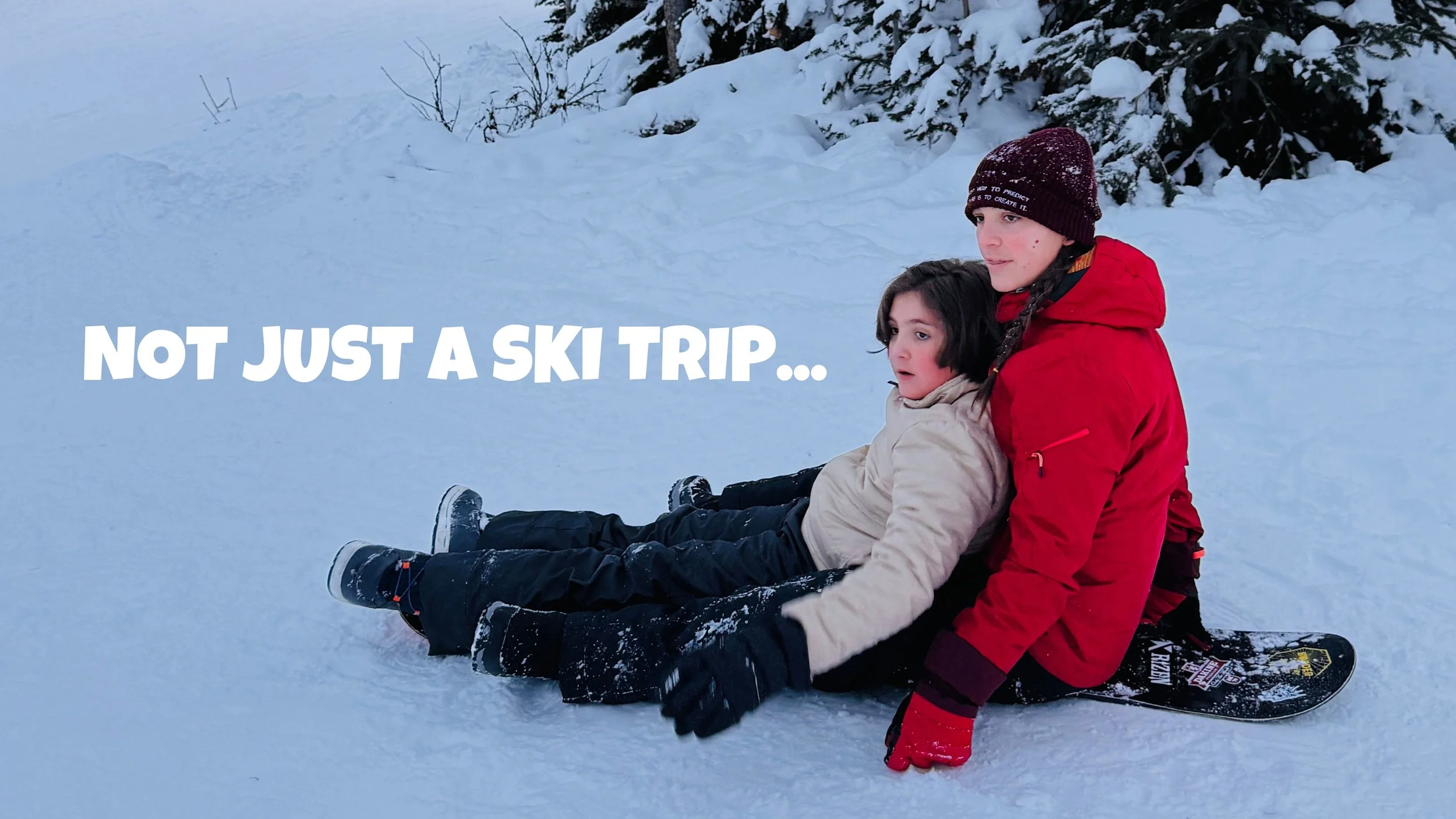
Winter Sports as Family Travel: Why It Works (Even If You’re Not a Ski Family)
Winter travel doesn’t have to be intense, expensive, or built around skiing. After spending an extended winter in Canada with our kids, we discovered that winter sports trips—when chosen and paced well—can be some of the most grounding and flexible family travel experiences. This post explores why winter works so well for families, and how it can look very different from what you might expect.
For many families, travel planning instinctively drifts toward warm destinations. Beaches feel easy. Summer feels familiar. Winter, on the other hand, often gets filed under “too complicated,” “too cold,” or “maybe when the kids are older.”
And yet, after spending winter in Canada as a traveling family, I’ve come to see winter travel very differently.
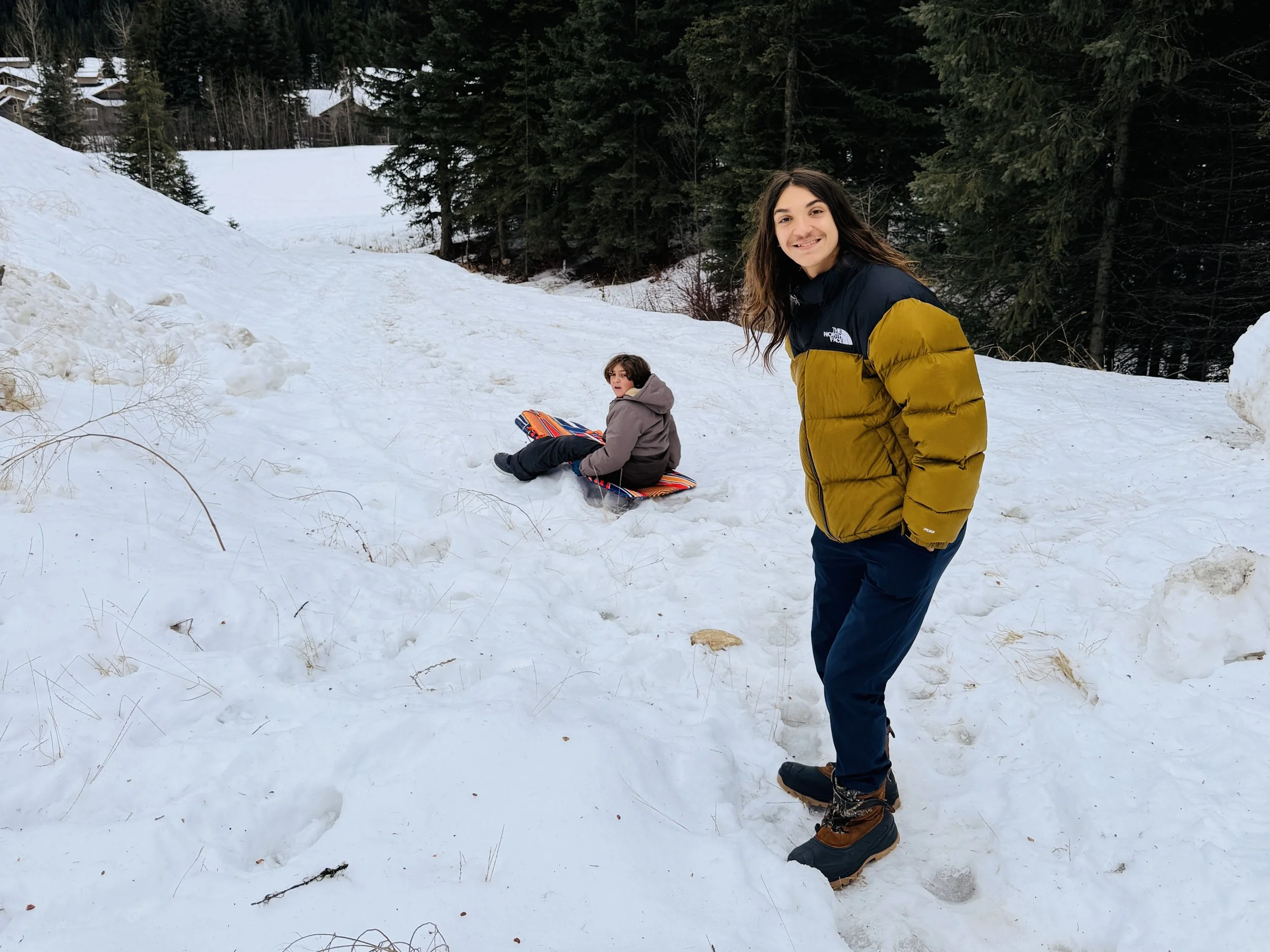
Sledding down the hill in Sun Peaks, Canada
Not as an extreme version of travel.
Not as something that requires athletic kids or expert parents.
But as one of the most grounding, connective, and surprisingly flexible ways to travel together.
When chosen and paced well, winter sports trips offer something many families are quietly craving: shared rhythm, simplicity, and time together that doesn’t feel rushed.
And no, it’s not just about skiing.
Why Winter Travel Feels Different (In a Good Way)
There’s a natural slowing that happens in winter.
Days have structure. Mornings begin calmly. Afternoons revolve around one main activity instead of five since the days are shorter. Evenings invite rest rather than stimulation. Layers get put on and taken off together. Meals are warm, unhurried, and often shared at home.
When we traveled through Canada this winter, I noticed how quickly we settled into a rhythm that felt supportive rather than demanding. There was less pressure to “make the most of every hour” and more space to simply be together.
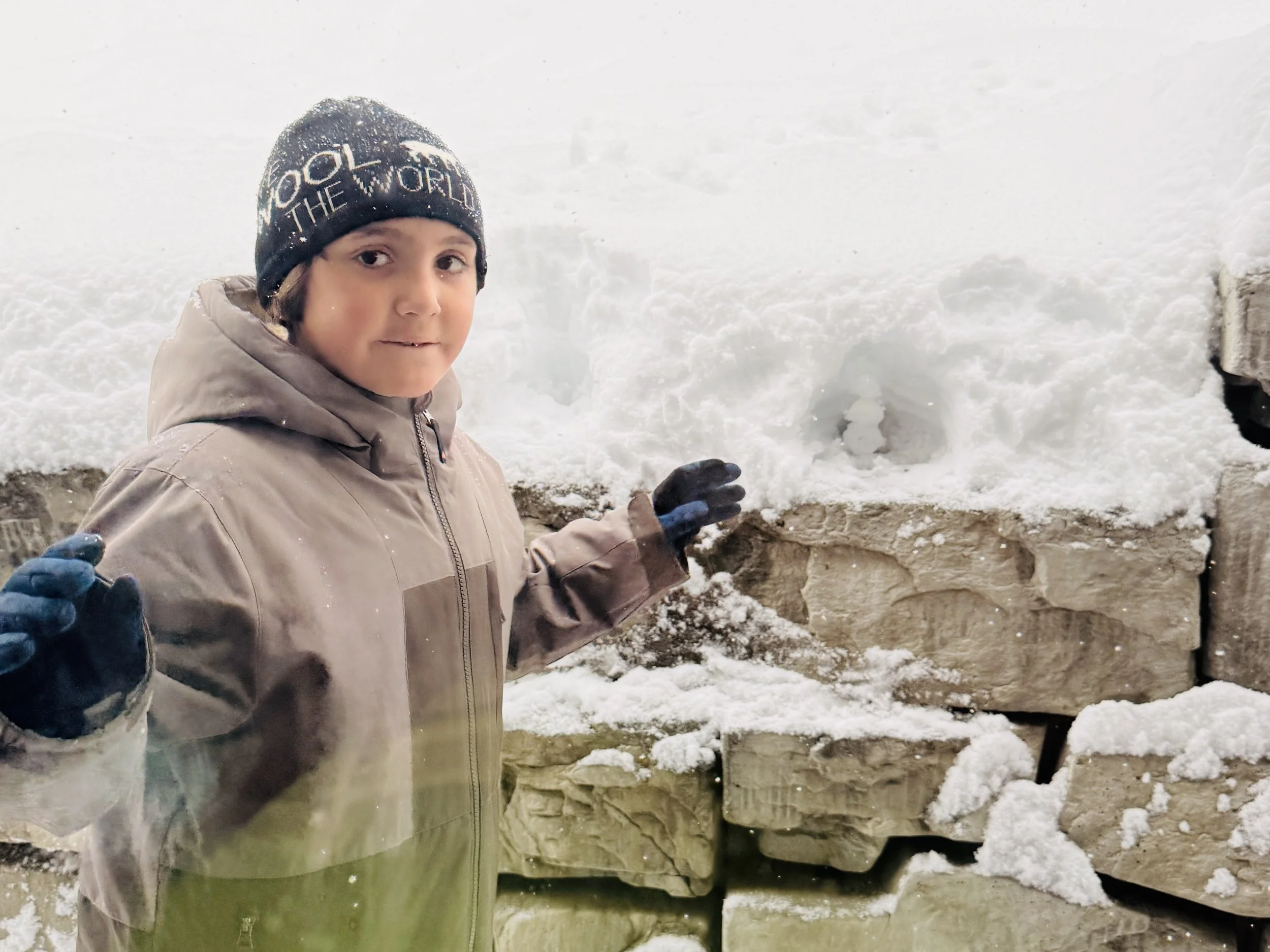
Luca took his time building a tiny snowman in a cave
Winter travel doesn’t compete with your energy.
It works with it.
And for families, that matters.
A Winter Lived Slowly
We spent a month and a half in British Columbia, Canada, splitting our time between two ski mountains and a few days in nearby towns and cities. This was the first time our family had ever spent such an extended period in a ski area.
In the past, winter trips meant a week, sometimes less, squeezed into a busy year. This time, our goal was different. We wanted to slow down, settle in, and experience winter as a way of living rather than a short escape.
That shift brought up many reflections.
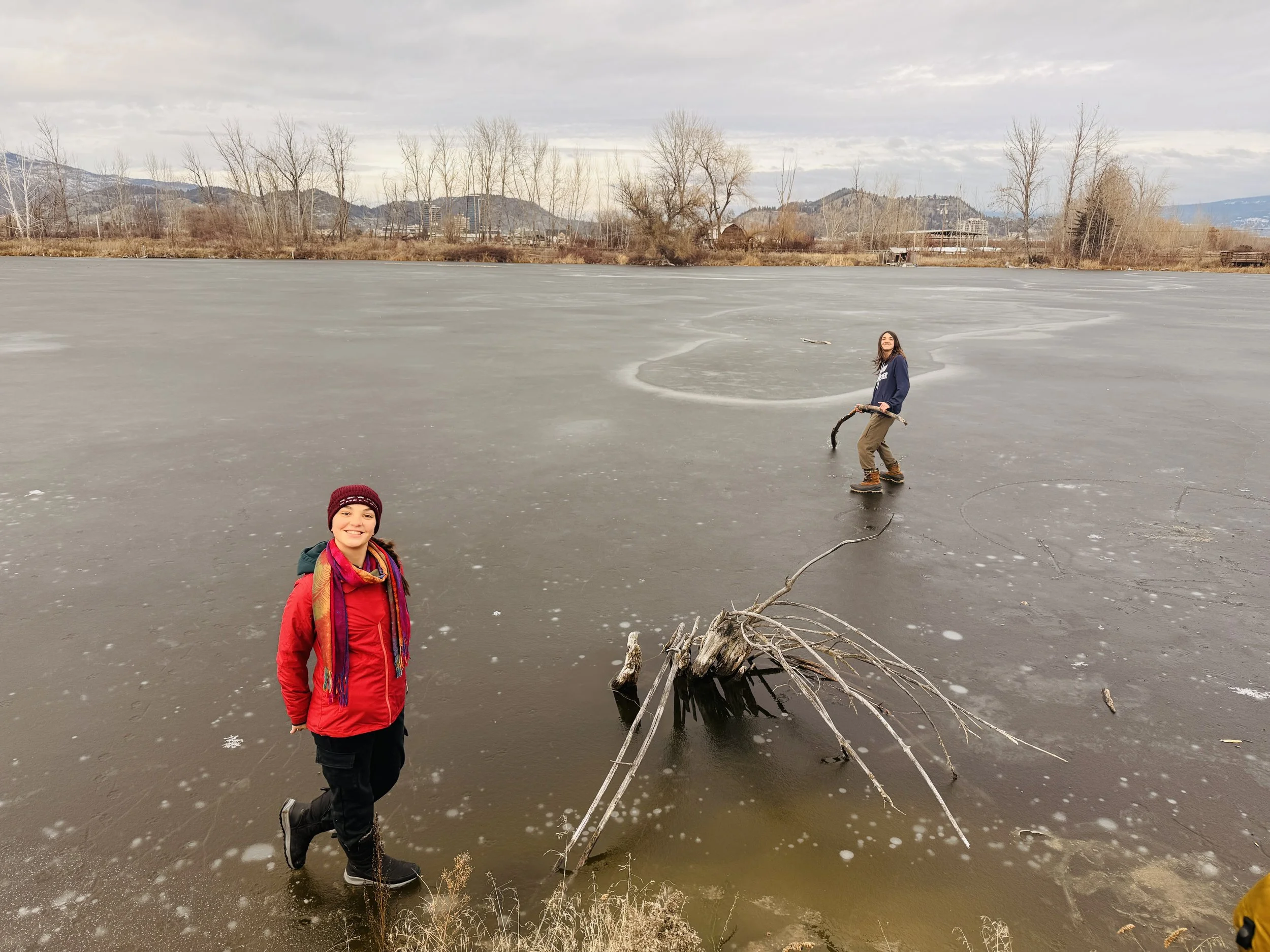
Exploring a iced lake in Kelowna, Canada
Why Winter Travel Feels Different (In a Good Way)
There’s a natural slowing that happens in winter.
Days have structure. Mornings begin calmly. Afternoons revolve around one main activity instead of five, partly because the days are shorter, and partly because energy is used more intentionally. Evenings invite rest rather than stimulation. Layers get put on and taken off together. Meals are warm, unhurried, and often shared at home.
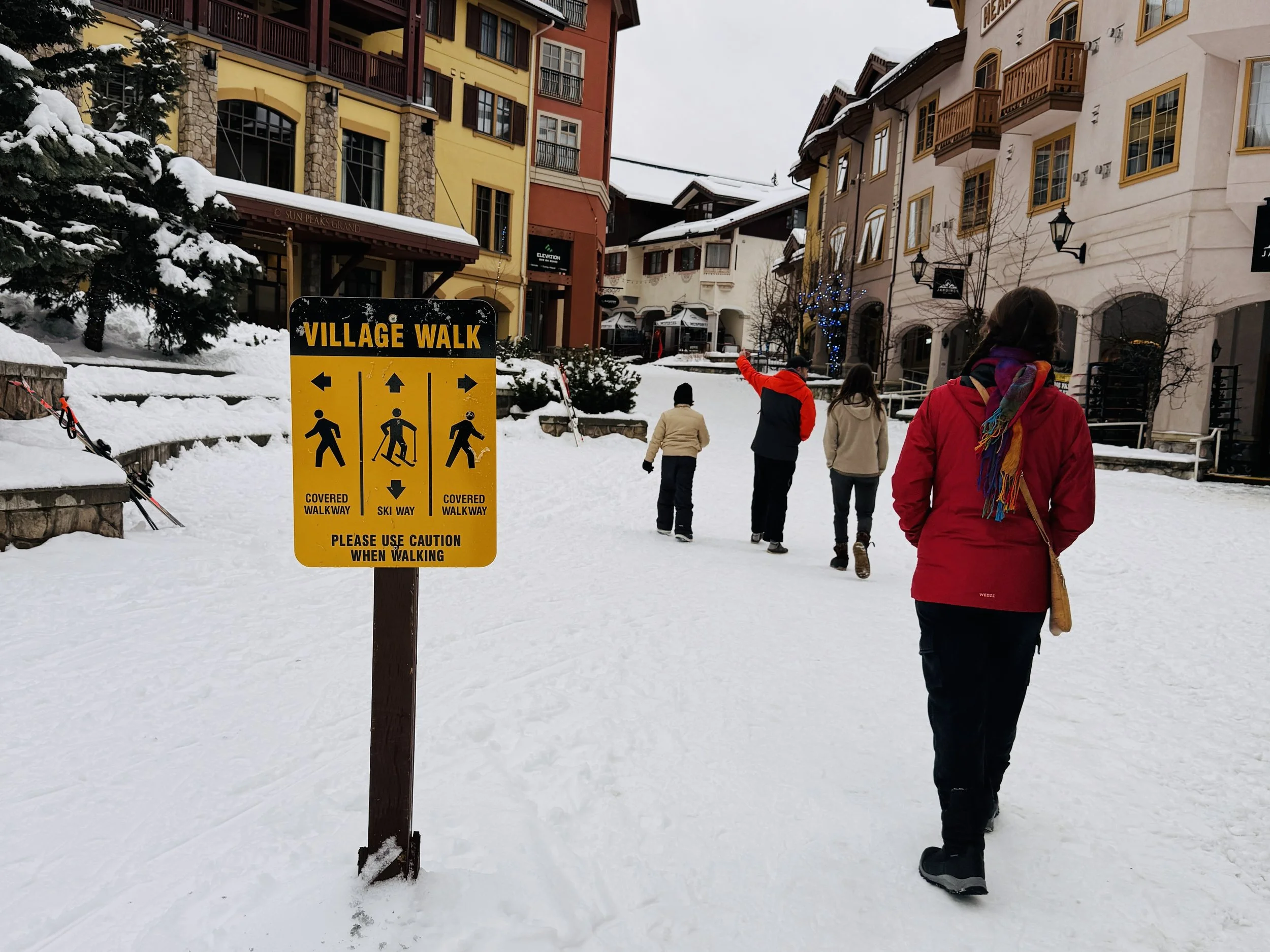
Walking downtown Sun Peaks, Canada
During our winter in Canada, I noticed how quickly we settled into a rhythm that felt supportive rather than demanding. There was less pressure to “make the most of every hour” and more space to simply be together.
Winter travel doesn’t compete with your energy.
It works with it.
And for families, that matters.
Winter Sports Aren’t About Performance, They’re About Participation
One of the biggest misconceptions about winter travel is that it’s only worthwhile if everyone skis, and skis well.
In reality, winter destinations that work best for families are designed around variety, not intensity. Different ages, interests, and energy levels can coexist in the same place without friction.
During our time in Canada, winter sports became less about skill and more about shared experience. Some days were active. Others were gentle. Some involved skis. Others involved walking, ice skating, sledding, watching, warming up, or simply playing in the snow.
That flexibility is what makes winter sports travel so accessible.
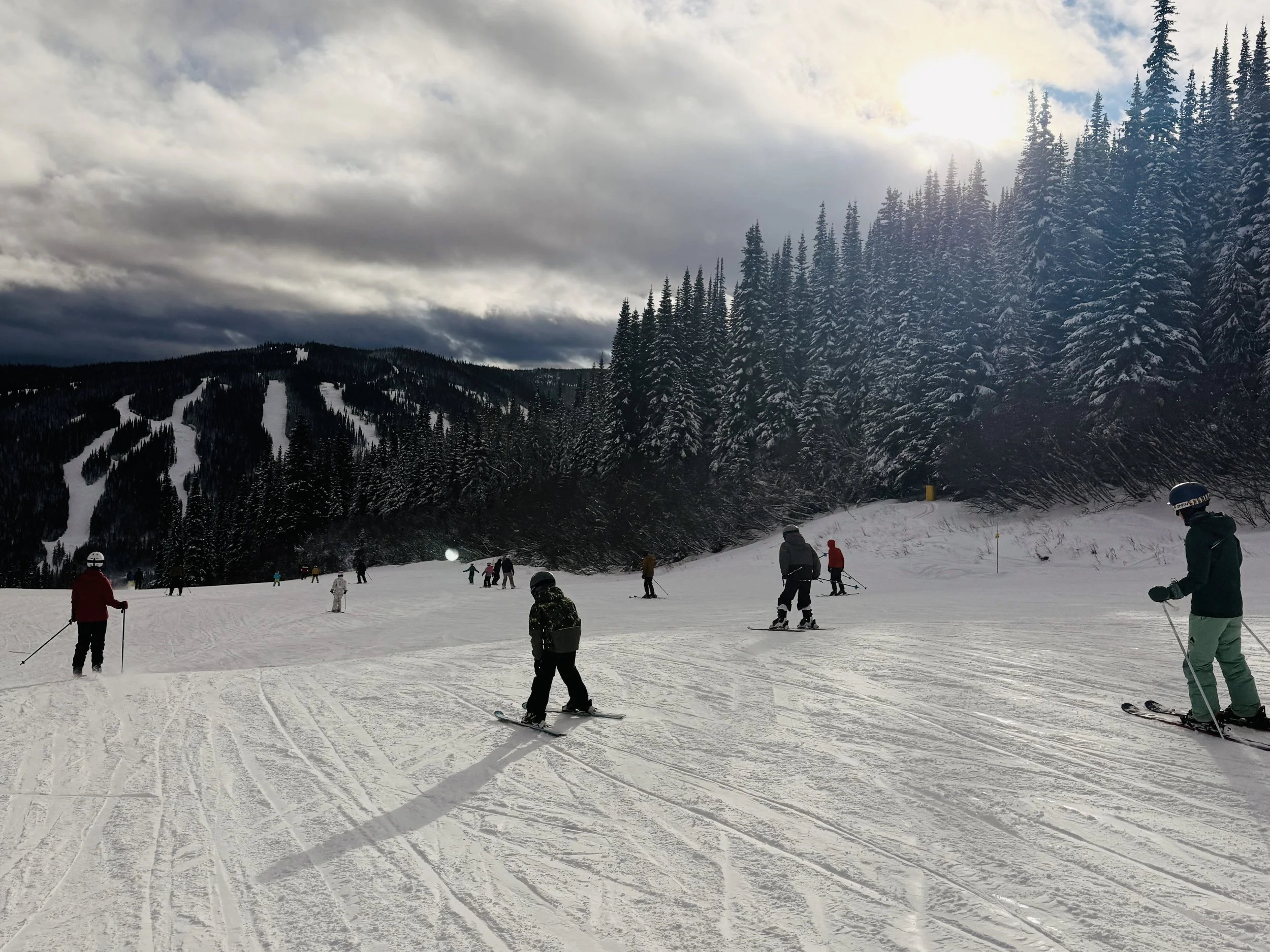
Skiing together in Sun Peaks, Canada
Downhill Skiing (Just One Piece of the Picture)
Yes, skiing is often the anchor activity in winter destinations, but it doesn’t need to dominate the experience.
What makes skiing family-friendly isn’t steep terrain or long days. It’s:
Resorts designed around villages rather than parking lots
Easy access to lessons
Short sessions instead of full-day commitments
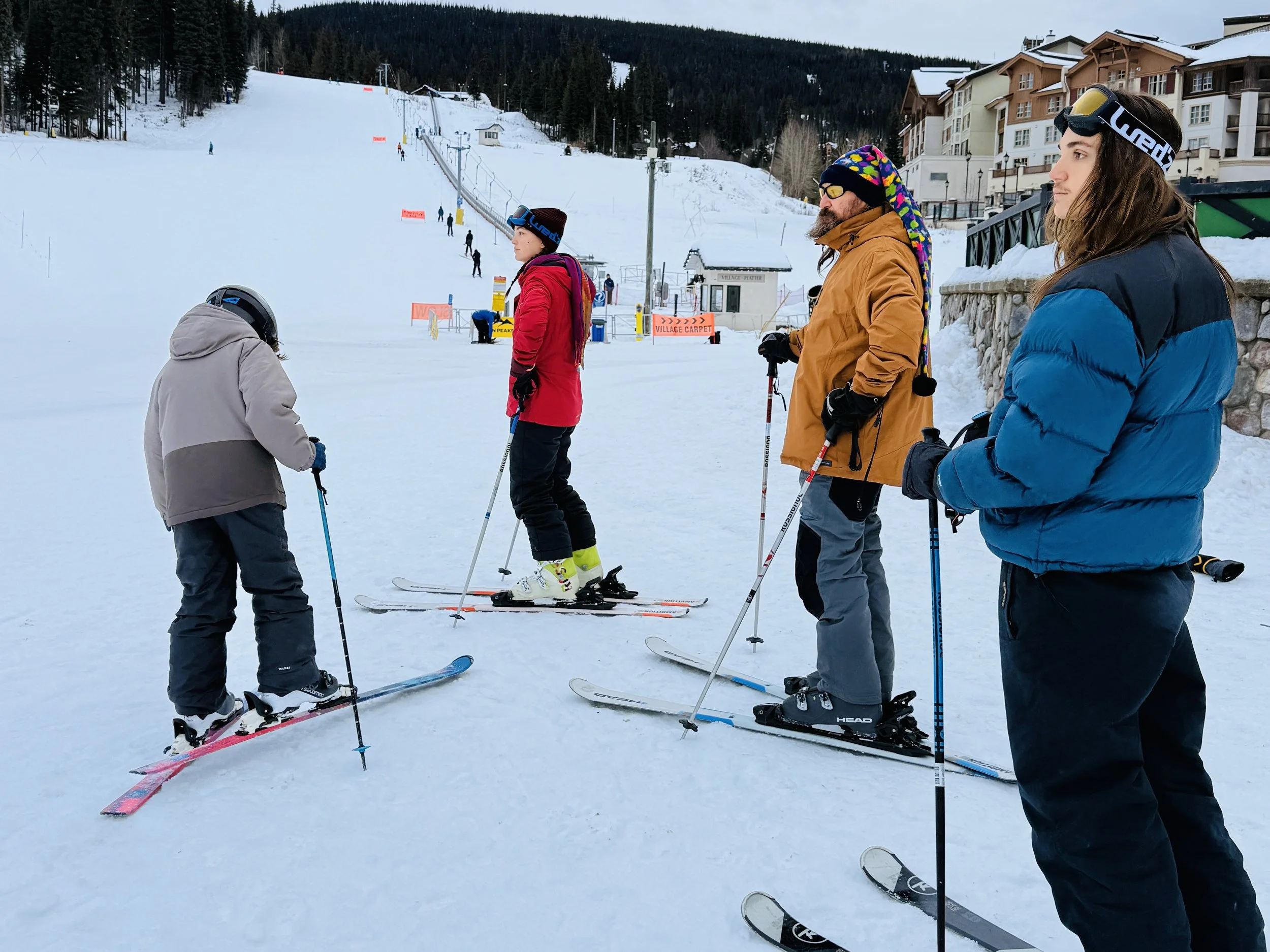
First ski day in Sun Peaks, Canada
For families, especially those traveling with children or mixed abilities, skiing works best when it’s treated as one option among many, not the sole purpose of the trip.
In our case, each of our kids experienced skiing differently. Our oldest son was working toward his instructor's license. Our youngest simply wanted to go fast and have fun. Our daughter enjoyed skiing too, but also loved stopping to take photos and videos of the views.
We didn’t all move at the same pace, and that was perfectly fine. Sometimes we skied together. Other times, we split up for different slopes. What mattered was that everyone felt included without being pushed.
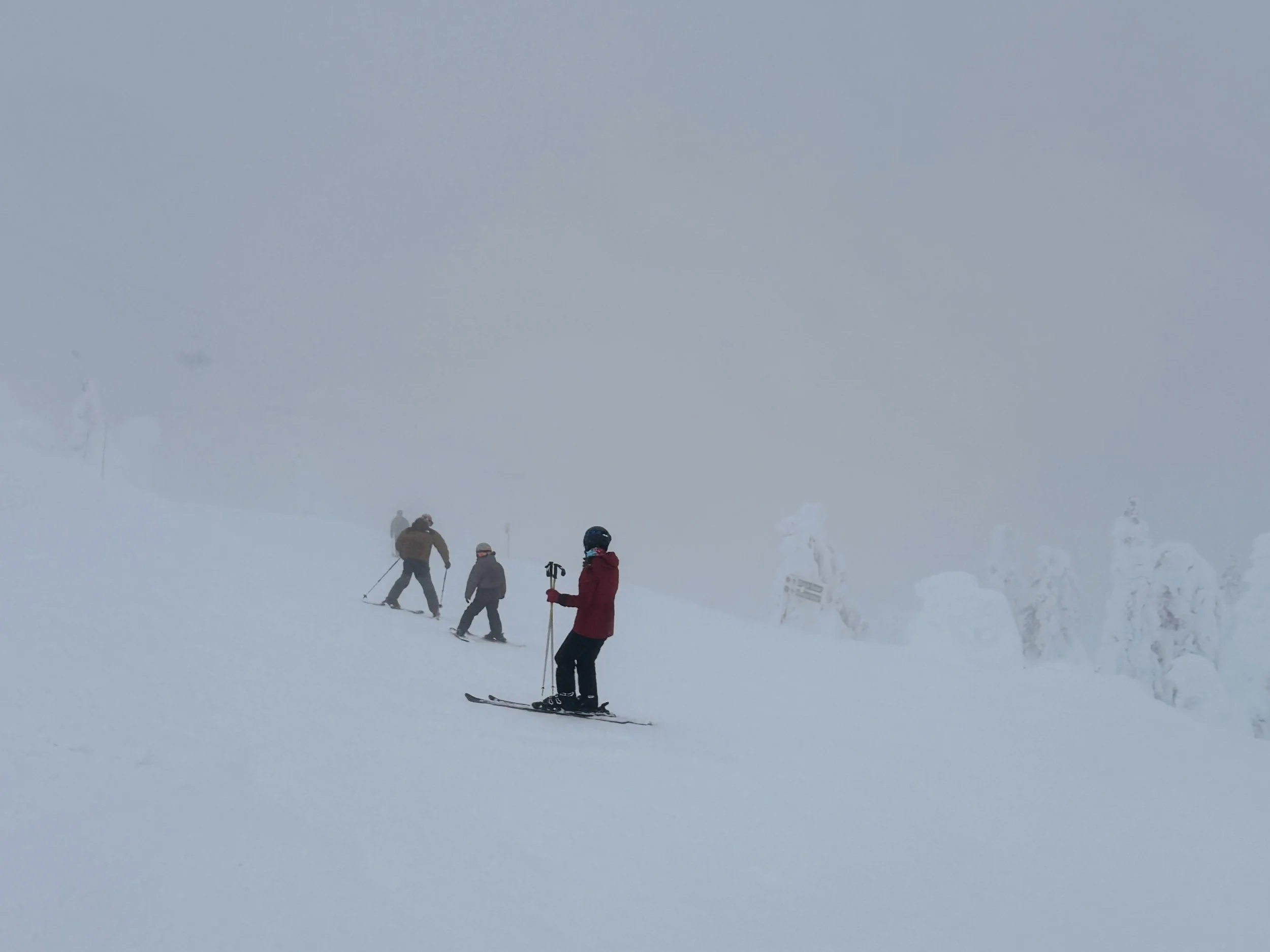
Skiing together in Big White, Canada
Snowshoeing: The Most Underrated Winter Activity
If there’s one winter activity I recommend to almost every family, it’s snowshoeing.
Snowshoeing requires:
No previous experience
Minimal instruction
Very little pressure
It’s walking, just adapted for snow.
Mass and I first tried snowshoeing years ago in Italy, with one baby on our back and another still in my belly. It was a beautiful way to access quiet trails, forest paths, and open landscapes without urgency.
More recently, at one of the resorts we stayed at in Canada, snowshoe gear was available to rent, and dedicated paths were clearly marked. Everything was simple, accessible, and well organized.
For families unsure about winter sports, snowshoeing is often the perfect entry point.
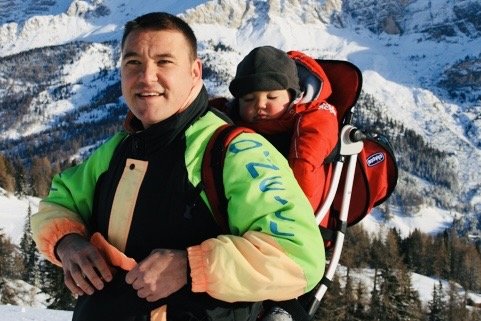
Snowshoeing in Italy with baby Cosimo
Cross-Country Skiing: Gentle, Rhythmic, and Surprisingly Inclusive
Cross-country skiing sits somewhere between walking and gliding. It’s calm, repetitive, and low-impact, making it beautifully suited to family travel.
What stands out most is how naturally it allows everyone to move at their own pace. There’s no rush, no competition, and no pressure to perform.
Some days it’s about distance. Other days, it’s about stopping often, looking around, and simply being outside.
While we personally haven’t practiced cross-country skiing yet, we’ve seen it everywhere we’ve traveled through winter regions over the years, a reminder of how accessible and widely embraced it is.
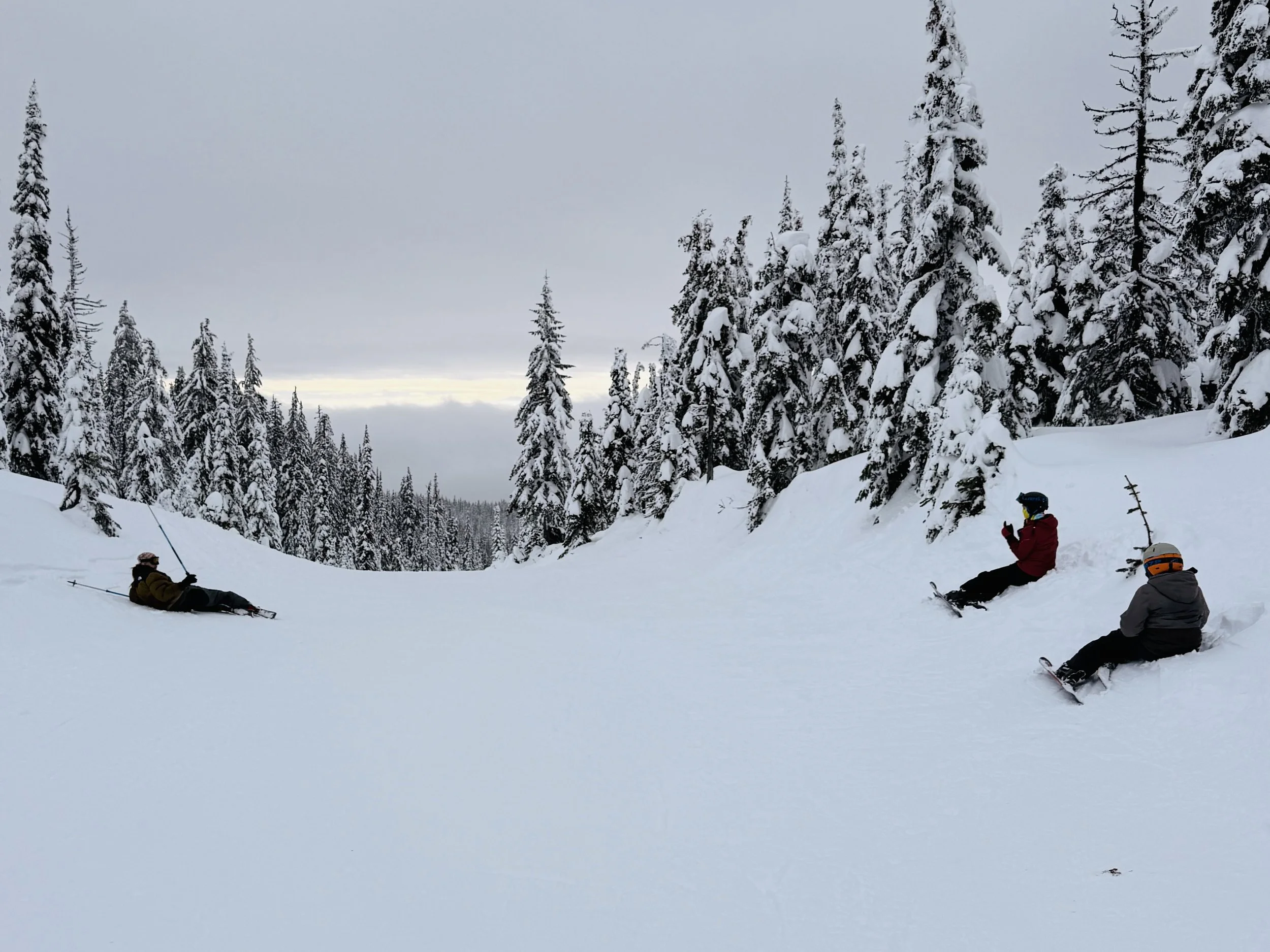
Taking a break on the slopes in Big White, Canada
Ice Skating: Indoor, Outdoor, and Everywhere in Between
Ice skating is one of those activities that feels instantly familiar, even if you don’t do it often.
In Canada, skating was everywhere: indoor arenas, outdoor rinks, frozen lakes, village squares. Some sessions were structured. Others were spontaneous.
What makes skating especially family-friendly is its flexibility:
Skate for ten minutes or an hour
Hold hands or skate independently
Take breaks whenever needed
It doesn’t require endurance or commitment, just participation.
Ice skating is something our kids love doing every year, wherever we are. Whether they spend more time on the ice or more time holding onto the railing, they enjoy challenging themselves. One of the best things about skating is that it’s available year-round in many places, even when it’s warm outside, making it easy to build confidence over time. Plus it is a fun activity to do as a large or small group.
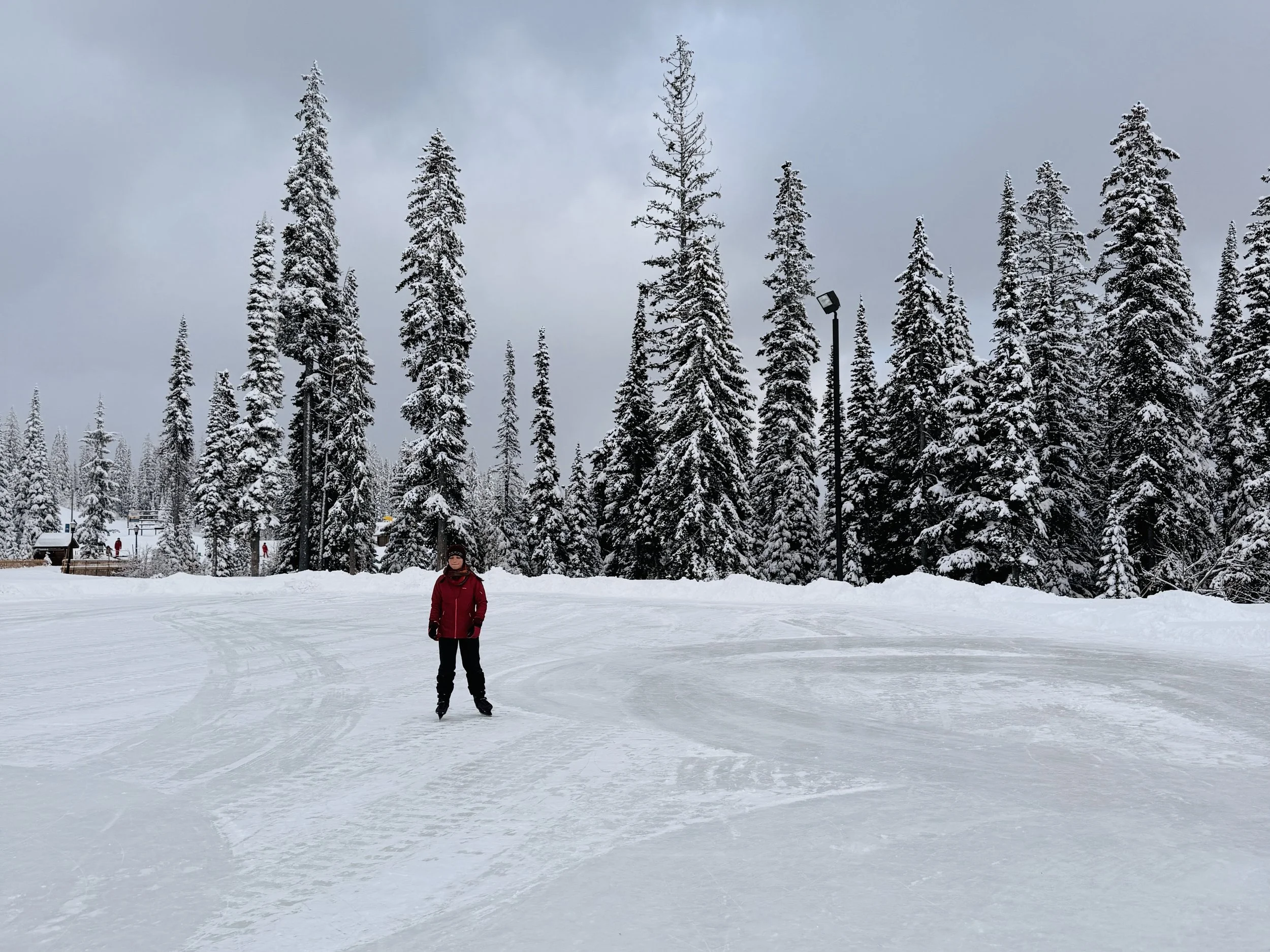
Ice skating outside in Big White, Canada
Tubing, Sledding, and Simple Winter Play
Not every winter activity needs equipment, lessons, or planning.
Some of the most joyful moments came from tubing hills, sledding paths, and open snowy spaces where kids could simply play. These activities required almost no preparation, yet offered the kind of laughter and connection families remember most.
Tubing, in particular, is pure fun. Whether sliding down alone or as a group, it’s about laughing, letting go, and enjoying the moment. We’ve done it in Utah during the day and in Canada in the evenings, and every time it’s been a highlight.
Sledding might be even better. You don’t need tickets, schedules, or fancy gear. Kids can improvise, repeat it endlessly, and somehow never get tired — though they do sleep very well afterward.
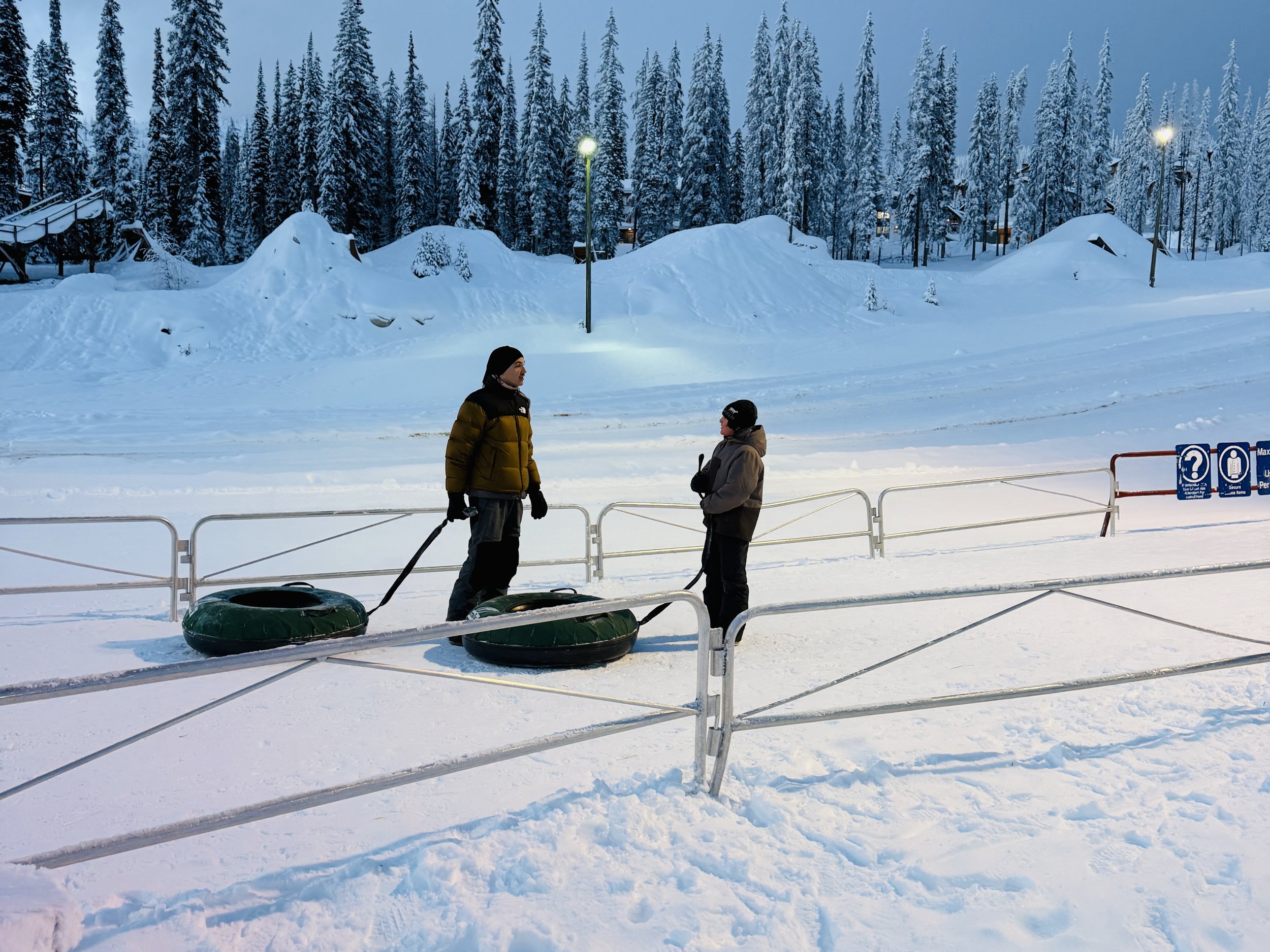
Tubing in Big White, Canada
Why Winter Destinations Work So Well for Families
What stood out most during our winter in Canada wasn’t any single activity; it was how winter destinations are built.
The most family-friendly winter places tend to share a few key traits:
Walkable village layouts
Central gathering spaces
Easy transitions between activity and rest
Built-in alternatives for non-participants
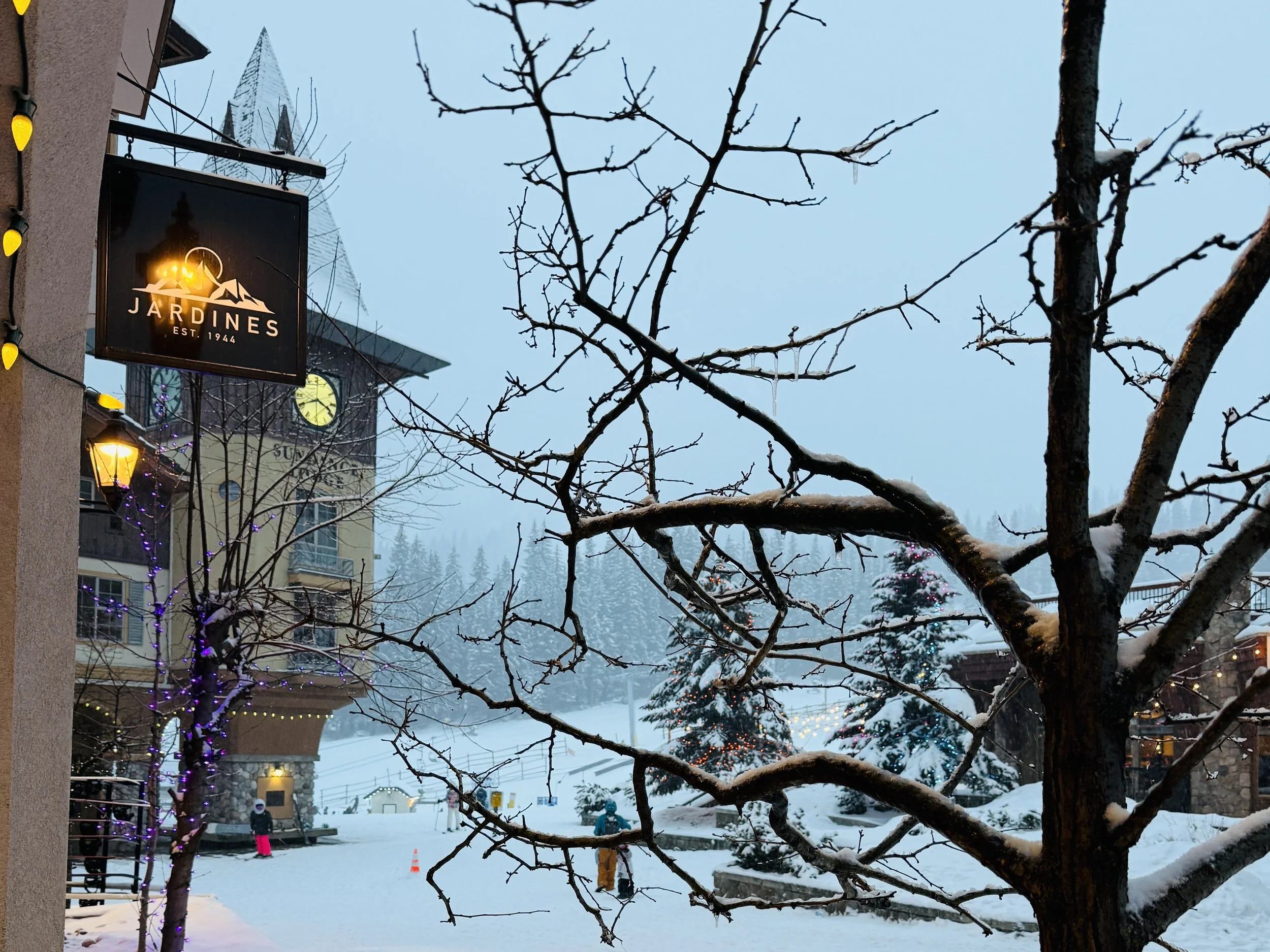
Downtown Sun Peaks, Canada
When a destination is designed well, families don’t need to constantly coordinate. Everyone can move independently while still staying connected.
This was the first time our family spent an extended period in one winter area and experienced two different ski mountains in the same season. Having ski-in, ski-out accommodation made a noticeable difference, especially with older kids. Convenience creates freedom.
Planning Matters More in Winter (But It Doesn’t Need to Be Complicated)
Winter travel rewards thoughtful planning, not rigid schedules.
A few things that made our experience smoother:
Staying close to activities rather than commuting
Choosing destinations with variety instead of scale
Leaving space for rest days
Letting kids opt in and out of activities
When winter trips are planned around how families actually move and feel, everything becomes easier.
This is often where families quietly benefit from guidance, not because winter travel is difficult, but because small decisions have a big impact on how supported a trip feels.
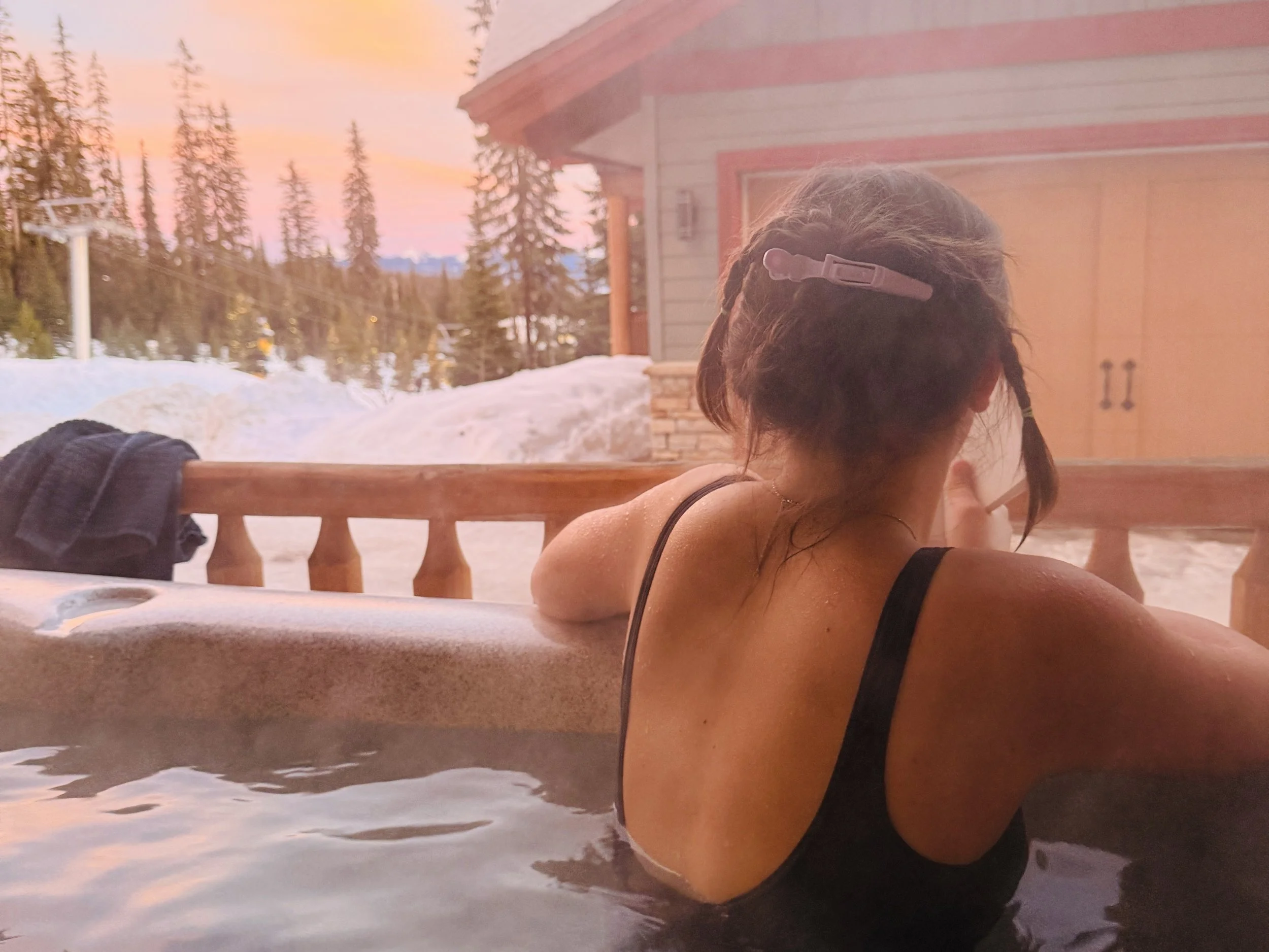
Rest time in Big White, Canada
It Isn’t About Doing More, It’s About Doing What Fits
The biggest shift winter travel invited us to make was letting go of expectations.
Not every day needs to be productive.
Not every activity needs full participation.
Not every moment needs documenting.
Winter created space for presence, routine, and connection that felt natural rather than manufactured.

Sun Peaks sign
And that’s what made it such a powerful way to travel as a family.
If you’ve ever felt drawn to winter travel but unsure whether it would work for your family, it’s worth knowing this: winter doesn’t ask families to be different. It simply asks them to be honest about what they need.
When destinations are chosen with care, and trips are paced thoughtfully, winter sports travel becomes less about cold and more about comfort, connection, and shared experience.
And if you ever find yourself curious about what kind of winter trip would suit your family best, I’m always happy to help guide that conversation, gently, and without pressure.
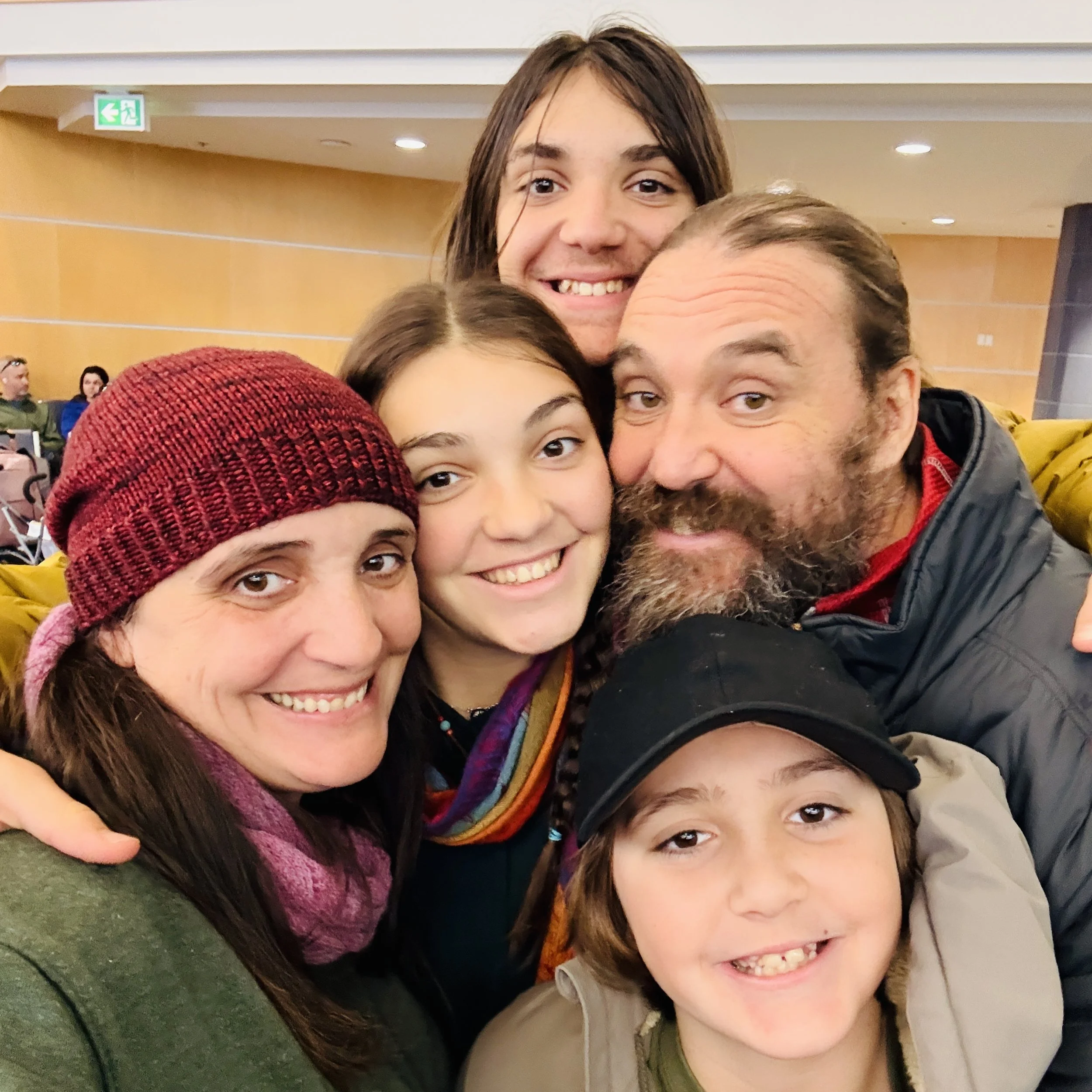
Family hug in Canada